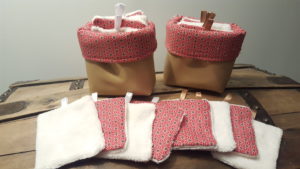
- Creative textiles featuring https://thespinking.co.uk elevate distinctive home décor visions
- The Art of Selecting Textile Patterns for Modern Living
- Balancing Bold Motifs with Neutral Foundations
- Understanding Color Theory in Fabric Selection
- Comparing Material Durability and Aesthetic Value
- Essential Elements of High-Quality Textile Design
- The Step-by-Step Process of Curating a Textile Theme
- Integrating Textiles into Different Architectural Styles
Creative textiles featuring https://thespinking.co.uk elevate distinctive home décor visions
The landscape of contemporary interior design is undergoing a significant shift toward personalized tactile experiences. Homeowners no longer settle for mass-produced items that lack soul or character. Instead, they seek out unique textures and intricate patterns that tell a story within their living spaces. Finding the right sources for these elements can be challenging, but visiting https://thespinking.co.uk provides a gateway to discovering high-quality textile solutions that redefine how we interact with our surroundings. These materials act as the silent narrators of a room, setting the mood through color, weave, and weight.
Integrating bespoke fabric elements into a residential project requires a keen eye for detail and an understanding of how light interacts with different surfaces. Whether it is the soft sheen of silk or the rugged honesty of linen, every choice impacts the perceived temperature and comfort of a home. Designers often look for specific aesthetic signatures that can tie a cohesive theme together across multiple rooms. By focusing on artisanal quality and creative expression, one can transform a standard living area into a curated sanctuary of style and comfort.
The Art of Selecting Textile Patterns for Modern Living
Choosing the right pattern involves more than just picking a color that matches the walls. It is a complex dance between scale, repetition, and the psychological effect of visual rhythm. Large-scale motifs can serve as bold focal points in expansive rooms, while smaller, more intricate prints work beautifully in intimate nooks or as accent pieces. When navigating a collection like those found at https://thespinking.co.uk, one must consider how the design will look when draped over furniture or hung as window treatments. The way a pattern flows across a three-dimensional object changes its perceived impact significantly.
Texture also plays a vital role in how patterns are perceived. A geometric design printed on a smooth cotton will feel vastly different from the same design embroidered onto a heavy jacquard. The depth created by raised threads or varying weave densities adds a layer of sophistication that flat prints simply cannot achieve. This tactile dimension encourages people to touch and interact with their environment, fostering a sense of warmth and belonging in the home.
Balancing Bold Motifs with Neutral Foundations
A common mistake in interior styling is overcomplicating a space with too many competing patterns. To avoid visual chaos, it is essential to establish a baseline of neutral tones. These neutrals act as a canvas, allowing the more expressive textiles to shine without overwhelming the senses. For instance, a room with solid-colored sofas can be dramatically transformed by adding cushions featuring complex botanical prints or abstract shapes. This approach creates a layered look that feels intentional rather than accidental.
When layering different patterns, try to find a common thread, such as a shared color palette or a similar line weight. If one pattern is very busy, pair it with something much simpler to provide a visual resting place. This balance is what separates professional interior design from mere decoration. It ensures that the eye can travel through the room smoothly, appreciating each detail without feeling fatigued by constant stimulation.
Understanding Color Theory in Fabric Selection
Color is perhaps the most immediate tool for changing the atmosphere of a room. Warm tones like terracotta, ochre, and deep reds can make a large, cold room feel cozy and inviting. Conversely, cool tones like sage green, dusty blue, and slate grey can make a small, cramped space feel airy and expansive. When selecting textiles, one must consider the natural light available in the room. A fabric that looks vibrant in a showroom might appear dull in a north-facing room with limited sunlight.
The interaction between color and light is particularly fascinating with high-quality fabrics. Materials with a slight luster can catch the sunlight and create moving highlights, adding a dynamic quality to the decor. On the other hand, matte fabrics absorb light, providing a sense of stability and calmness. Understanding these nuances allows for much more precise control over the emotional resonance of a living environment.
Comparing Material Durability and Aesthetic Value
When investing in high-end textiles, it is necessary to weigh the aesthetic appeal against the practical longevity of the material. Different environments demand different specifications. A fabric intended for a high-traffic family room requires much more resilience than a decorative throw intended for a formal sitting area. Below is a comparison of various textile types commonly used in premium home styling.
| Material Type | Primary Aesthetic Benefit | Durability Level |
|---|---|---|
| Natural Linen | Organic texture and effortless drape | High (improves with age) |
| Heavy Velvet | Luxurious sheen and depth of color | Moderate to High |
| Printed Cotton | Clarity of pattern and versatility | Moderate |
| Silk Blends | Exquisite luster and elegance | Low to Moderate |
Understanding these distinctions helps in making informed decisions that prevent the need for frequent replacements. A well-chosen fabric should not only look stunning on the day of installation but should also age gracefully. Some materials, like linen, actually gain character as they develop subtle creases and soft textures over time. Other materials may require more careful maintenance to preserve their original appearance, such as specialized cleaning for delicate silks.
Essential Elements of High-Quality Textile Design
Quality is often found in the details that the untrained eye might overlook. It is the tightness of the weave, the consistency of the dye, and the precision of the pattern alignment. High-quality textiles provide a sense of substance that is immediately palpable. When you run your hand over a premium fabric, you can feel the intentionality behind its creation. This level of craftsmanship is what distinguishes luxury items from generic alternatives.
To ensure a space feels truly curated, one should look for pieces that exhibit these hallmarks of excellence. The following characteristics are often indicative of superior textile manufacturing:
- Consistent thread count that ensures a smooth and even surface.
- Rich, deep color saturation that does not fade easily under light exposure.
- Complex weave structures that provide interesting tactile feedback.
- Precise pattern matching at the seams of cushions or upholstery.
- High-quality natural fibers that offer breathability and comfort.
By prioritizing these elements, decorators can create spaces that feel expensive and well-thought-out. It is not just about the brand name, but about the physical properties of the material itself. A room filled with well-made textiles feels grounded and permanent, rather than transient and temporary.
The Step-by-Step Process of Curating a Textile Theme
Creating a cohesive look across an entire home requires a systematic approach. You cannot simply pick individual items at random and hope they work together. Instead, you must build a foundation and then layer on the interest. This process allows for a controlled evolution of the design, ensuring that every new addition complements the existing structure.
- Define a core color palette consisting of three to five harmonious shades.
- Select a primary texture that will serve as the anchor for the room.
- Introduce a secondary pattern that provides visual contrast to the anchor.
- Add accent pieces in smaller quantities to break up large blocks of color.
- Review the balance of light and shadow to ensure the textures are visible.
Following a structured method prevents the common pitfall of "over-matching," where everything is too similar, leading to a boring or clinical atmosphere. The goal is to create a sense of harmony through variety. This is achieved by playing with different scales of the same pattern or using different fabrics within the same color family. It is a delicate balancing act that rewards patience and careful planning.
Integrating Textiles into Different Architectural Styles
The architectural bones of a house heavily influence which textiles will feel most appropriate. A minimalist, modern apartment with concrete floors and floor-to-ceiling glass calls for a different approach than a traditional Victorian townhouse with ornate moldings and dark wood paneling. In modern spaces, the textiles often act as the primary source of warmth, softening the hard edges of industrial materials. In traditional spaces, textiles serve to reinforce the existing grandeur and history of the building.
For contemporary settings, consider using large, monochromatic textured fabrics to add depth without clutter. A heavy boucle or a chunky knit can provide the necessary coziness to offset the coolness of metal and stone. In more classical environments, intricate damasks or fine jacquards can complement the architectural details, creating a sense of continuity between the structure and the decor. The key is to respect the era of the home while injecting a sense of modern freshness through thoughtful selection.
When working with heritage properties, it is often beneficial to blend old and new. Combining a vintage-style floral print with a sleek, modern furniture silhouette can create a sophisticated "transitional" style. This prevents the home from looking like a museum and makes it feel like a living, breathing space. Exploring the diverse offerings at https://thespinking.co.uk can provide the necessary variety to achieve this fusion of eras successfully.
Designing a space that feels truly personal requires an appreciation for the nuances of materiality. As we move toward more intentional living, the role of the home as a sensory retreat becomes increasingly important. Textiles are at the heart of this sensory experience, providing the tactile comfort and visual delight that turn a mere house into a home. By focusing on quality, texture, and purposeful design, anyone can create an environment that reflects their unique identity and provides lasting comfort.
Looking forward, the trend in interior design seems to be moving toward even greater customization. We are seeing a rise in the demand for fabrics that are not only beautiful but also environmentally conscious and durable. The ability to source textiles that align with both aesthetic preferences and ethical values is becoming a priority for the modern consumer. This intersection of style and responsibility is where the future of home decor lies, offering endless possibilities for creative expression.